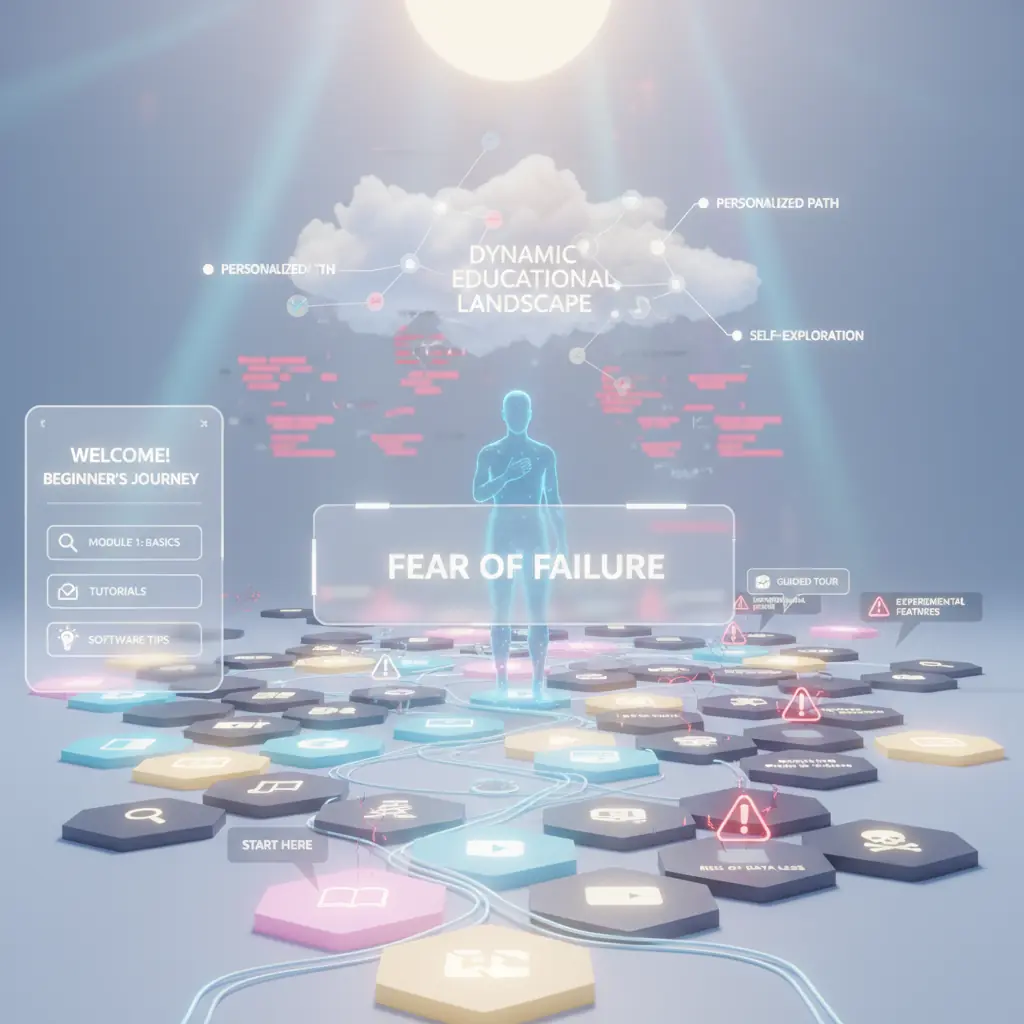
Remember that heart-stopping moment when you first encountered a new software program? The blinking cursor seemed to mock your uncertainty, each click carrying the potential for irreversible digital disaster. The fear is real. Many beginners experience it. But what if there was a safety net, a risk-free zone where you could experiment without consequence?
Enter the demo mode – a game-changer for anyone new to software. It is like having training wheels on a bicycle, allowing you to find your balance and develop confidence before hitting the open road. Demo modes provide a safe and controlled environment to explore features, test functionalities, and get comfortable with the interface without the anxiety of messing things up.
This article is your guide to harnessing the power of demo modes. We’ll show you how these invaluable tools can transform you from a hesitant novice into a confident and capable software user. Get ready to embrace the freedom of exploration and unlock your full learning potential – all within the safe confines of the demo mode.
What Exactly Is a Demo Mode?
Demo mode serves as a try-before-you-buy experience, providing a glimpse into a product’s functionality without full commitment. Think of it as a digital showroom, offering a hands-on feel for software, apps, or even electronic devices. It’s designed to showcase key features and benefits, allowing potential users to explore the interface and understand the core value proposition.
Many beginners confuse demo modes with free trials, or even limited feature versions. Here’s the distinction: a free trial usually grants access to the full product for a limited time. Limited feature versions restrict certain functionalities but allow indefinite use. Demo mode, on the other hand, often presents a simulated environment or a curated experience with specific features highlighted. It’s less about unrestricted access and more about guided exploration.
A well-designed demo mode should be self-explanatory, allowing users to navigate effortlessly. It typically includes pre-loaded data or sample scenarios to illustrate how the product works in real-world situations. For example, a software demo might include sample projects or pre-populated dashboards. The purpose is to empower users to evaluate the product independently, at their own pace. Demo modes are perfect when users want to quickly assess a product’s suitability before investing time or money into a full version or subscription. It’s about experiencing the “what,” “how,” and “why” firsthand.
The Psychological Barrier: Why Beginners Hesitate
Stepping into the world of new software can feel like navigating a minefield, especially for beginners. It’s not just about learning the technical ins and outs; often, the biggest hurdle is the psychological barrier that arises from fear of failure, overwhelm, and uncertainty. These feelings are perfectly normal, often stemming from a deep-seated desire to perform well and avoid making mistakes.
Fear of failure can be paralyzing. New users might worry about accidentally deleting important data, making a critical error, or simply appearing incompetent. This fear can lead to hesitation, preventing individuals from fully exploring the software’s capabilities. The stakes feel high, even when they aren’t, and the pressure to succeed can stifle experimentation.
Overwhelm is another common obstacle. Modern software is often packed with features and functionalities, and the sheer volume of options can be daunting. Beginners may feel lost in a sea of menus, buttons, and settings, unsure of where to start or how to proceed. This feeling of being overwhelmed can lead to frustration and discouragement, making it difficult to stay motivated and engaged.
Uncertainty about the software’s purpose and how it can benefit them adds another layer of complexity. If beginners don’t understand the value proposition or how the software can solve their specific problems, they’re less likely to invest the time and effort required to learn it. The lack of clear direction and purpose can make the learning process feel aimless and unproductive.
The key to overcoming these psychological barriers lies in creating a low-pressure, exploratory environment. Encouraging experimentation, emphasizing learning from mistakes, and providing clear, concise guidance can help beginners build confidence and overcome their initial hesitancy. By fostering a mindset of curiosity and continuous learning, individuals can unlock the full potential of new software and embrace the challenges with enthusiasm.

The Core Benefits: Why Demo Modes are a Game Changer
Demo modes are not just stripped-down versions of the real thing; they are powerful educational tools that can significantly enhance the learning experience, especially for beginners. The benefits are multifaceted, fostering a more comfortable, efficient, and ultimately successful journey toward mastery. Foremost among these is risk-free exploration. Imagine learning a new language through immersion but without the fear of embarrassment or making mistakes. Demo modes offer precisely this – a safe space to experiment, tweak, and even fail without consequence. This freedom liberates users to truly explore the software’s capabilities and discover hidden features they might otherwise overlook.
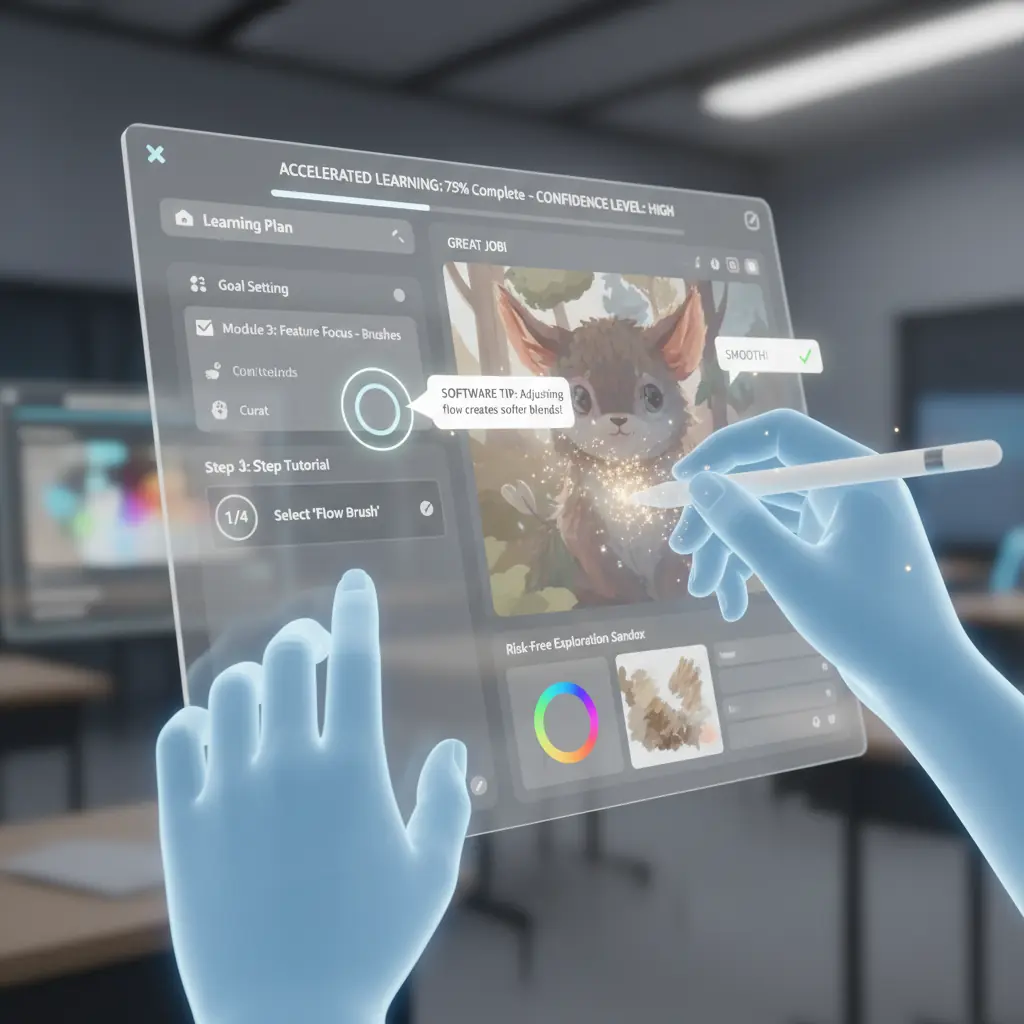
This feeds into accelerated learning. Traditional learning methods can be passive, involving reading manuals or watching tutorials. Demo modes, in contrast, foster active engagement. Users don’t just learn about features; they use them, internalizing knowledge at a much faster rate. Think of it as the difference between reading about riding a bike and actually getting on one. Furthermore, the hands-on nature of demo modes directly contributes to increased confidence. Every successful interaction, every problem solved, builds a sense of self-efficacy. As users see themselves mastering the software, their initial apprehension melts away, replaced by a feeling of empowerment and independence. This growing confidence encourages them to take on more challenging tasks and push their skills further.
Finally, demo modes address a common barrier to entry: reduced overwhelm. New software can be daunting, with countless features and settings vying for attention. Demo modes often present a curated experience, focusing on core functionalities and guiding users through essential workflows. This structured approach prevents information overload and allows beginners to gradually build their understanding. Instead of being overwhelmed by the whole picture, they can focus on mastering individual elements, creating a solid foundation for future learning. In essence, demo modes transform the learning process from a passive consumption of information to an active, engaging, and ultimately more rewarding experience. They empower beginners to explore, experiment, and excel, building confidence and independence along the way.
Learning By Doing
The effectiveness of demo modes is deeply rooted in the pedagogical principle of learning by doing. This approach, also known as active learning or experiential learning, emphasizes the importance of hands-on experience in acquiring knowledge and skills. Instead of simply reading or hearing about a concept, learners actively engage with it, manipulating variables, solving problems, and observing the results firsthand. Demo modes perfectly facilitate this type of learning by providing interactive environments where users can directly apply what they’re learning.
For example, a demo mode for a photo editing software might guide users through a series of tasks, such as adjusting brightness, cropping images, and applying filters. As they perform these actions, they’re not only learning the technical steps involved but also developing an intuitive understanding of how these tools affect the final result. This active engagement leads to deeper learning and better retention compared to passively watching someone else perform the same tasks.
Immediate Feedback & Iteration
A key element that elevates the learning experience within demo modes is the availability of immediate feedback. As users interact with the software, they instantly see the results of their actions. This real-time response allows them to quickly understand the impact of different settings and techniques. Moreover, demo modes often incorporate helpful software tips and insights that guide users towards optimal outcomes.
If, for instance, a user struggles to achieve a desired effect, the demo mode might offer suggestions on alternative approaches or highlight specific features that can help. This iterative process of experimentation, feedback, and refinement allows users to learn from their mistakes and continuously improve their skills. The ability to immediately iterate and see the consequences facilitates a deeper understanding of the software’s functionalities.
Essential Features of a Good Demo Mode
A well-crafted demo mode is an essential tool for showcasing software and applications effectively. Its primary goal is to provide potential users with a hands-on experience that highlights key features and benefits. To achieve this, a demo mode should be intuitive, interactive, and offer clear guidance throughout the exploration process. Good demo mode design is all about user experience (UX) and user interface (UI) working in harmony. An effective demo mode is not just a passive presentation; it’s an engaging journey that leads users to discover the value proposition firsthand.
Focusing on UX/UI attributes such as ease of navigation, responsive design, and visual appeal elevates the user’s perception of the software. The best demo modes feel natural and unforced, like a helpful tutor guiding someone through a new skill. They empower users to learn by doing, making the experience memorable and persuasive.
Clear Instructions and Tooltips
One of the cornerstones of a successful demo mode lies in providing clear instructions and helpful tooltips. These elements act as software tips, offering insights into how the application functions and what each feature accomplishes. Instructions should be concise, easy to understand, and appear at relevant moments. Tooltips can provide just-in-time guidance, explaining the purpose of buttons, icons, and other interface elements as the user interacts with them. By incorporating these aids, developers ensure that users never feel lost or overwhelmed, fostering a smooth and enjoyable initial encounter with the software.
Leveraging Demo Modes Effectively: A Strategic Approach
Demo modes offer a fantastic gateway to understanding software and platforms without immediate commitment. To truly maximize the benefits of demo modes and avoid feeling overwhelmed, it’s essential to adopt a strategic approach. This involves defining clear learning objectives, pinpointing key features, and crafting a focused learning plan.
Goal Setting: Before even clicking the “start demo” button, ask yourself, “What do I want to achieve with this trial?” Are you evaluating if the software solves a specific problem? Do you need to learn a specific skill the software offers? For example, if you’re exploring a project management tool, your goal might be to understand how it handles task assignments and progress tracking. A concrete goal helps maintain focus during the demo.
Feature Focus: Most software comes loaded with features however a strategic approach helps to pinpoint the functions that are most relevant to your needs. If you are checking CRM, focus on contact management, sales pipeline, and reporting features. Don’t get bogged down in every single option right away.
Crafting a Learning Plan: Develop a structured approach to your demo exploration. Allocate specific time slots to explore different aspects of the software. Begin with core functionalities and then start checking advanced features. Use the software’s documentation and help resources to understand how each feature works. For example, spend 30 minutes understanding the user interface, another hour testing the key feature, and then 30 minutes reviewing integrations.
Adopting a strategic approach transforms demo modes from passive previews into active learning experiences. By setting goals, focusing on key features, and creating a concrete learning plan, you will extract maximum value from the trial period and make informed decisions.
Real-World Independent Examples
Demo modes aren’t just theoretical concepts; they’re practical tools that empower individuals to achieve real-world goals. The beauty of a well-designed demo lies in its ability to transform hesitant users into confident masters of a product or service. It’s about fostering that crucial sense of independency that fuels continued engagement and promotes effective learning.
The Story of Jane
Jane had always been intimidated by photo editing software. The sheer number of features and the complex interface felt overwhelming. However, she stumbled upon a software that offered a fully functional demo mode. The demo allowed her to experiment without pressure. She followed the built-in tutorials, and gradually, she began to understand the basics. The demo mode gave her the freedom to make mistakes and learn from them, all without the fear of “breaking” anything. Through strategic approach and goal setting, Jane achieved mastery and eventually become a professional photographer in her town.
Looking Ahead: The Future of Interactive Learning
The educational landscape is constantly evolving, and the future of interactive learning is poised to be even more dynamic. One potential shift we may see is an increased emphasis on independent learning. Imagine demo modes that are so intuitive and comprehensive they effectively guide users through entire courses or skill-building exercises without needing constant supervision. This strategic approach hands the reins directly to the learner, empowering them to explore at their own pace and focus on areas where they need the most support. The goal is effective learning, achieved through personalized experiences and self-directed exploration.