
The glitz and glamour of the casino floor used to be enough. Remember the days of blanket advertising, showering everyone with the same offers? Those days are fading faster than a losing hand. Industry analysts reveal a concerning truth: traditional mass marketing in casinos is becoming increasingly ineffective, with response rates plummeting by nearly 40% in the last five years. It’s a wake-up call. One I witnessed firsthand when a casino invested heavily in a generic campaign, only to see player engagement stagnate. The problem? It lacked the personal touch.
Think of a high-roller being offered the same buffet voucher as a casual player – the disconnect is palpable. That’s why we’re seeing a seismic shift in casino marketing. We are moving beyond the one-size-fits-all approach and embracing personalization. Casino marketing is no longer about shouting the loudest; it’s about whispering the right message, to the right player, at the right time. In 2026, personalization isn’t a luxury, it’s not a ‘nice-to-have’ add-on; it’s the bedrock of customer loyalty and, ultimately, casino success.
The Personalized Casino Experience: What It Looks Like in 2026
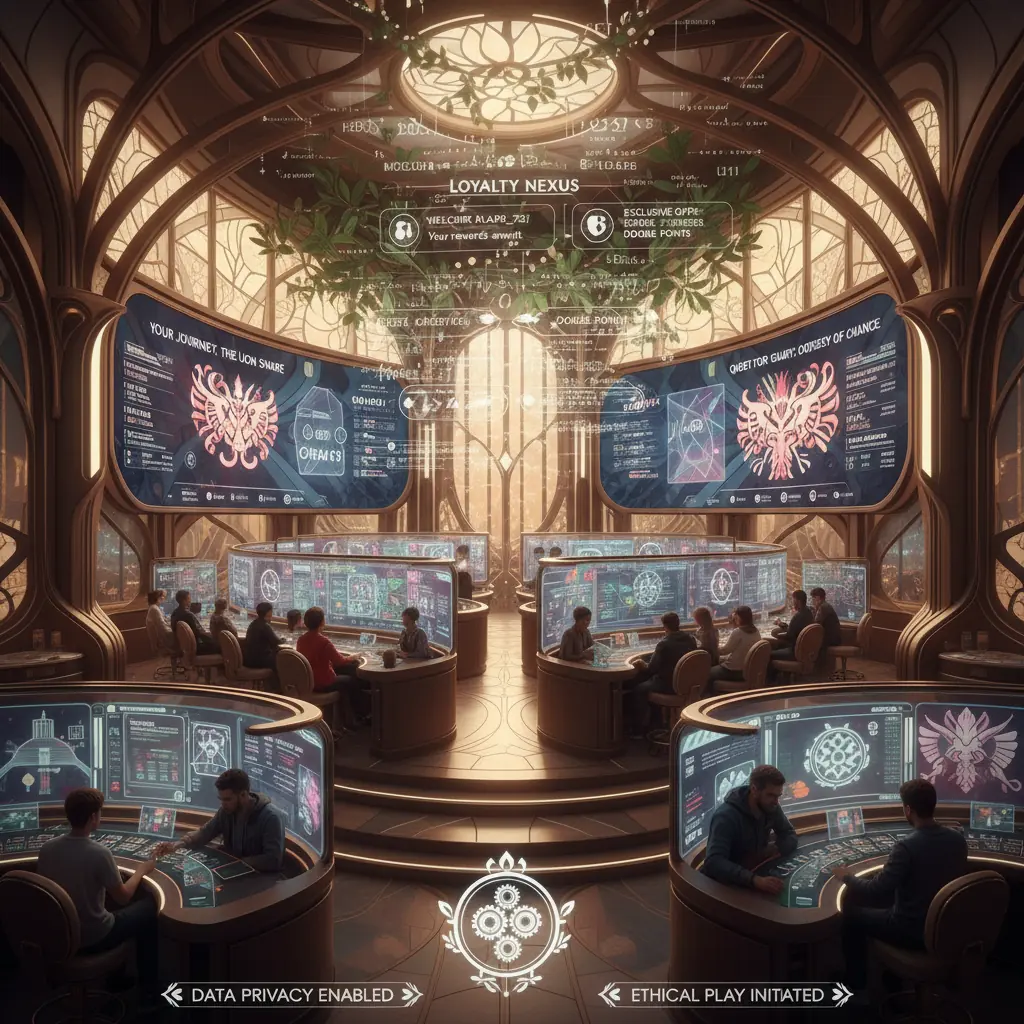
Imagine stepping into a casino in 2026. Forget the generic marketing blasts and crowded buffet lines. This isn’t your grandfather’s gambling hall. Thanks to advancements in AI, data analytics, and mobile technology, the future of casinos is all about hyper-personalization. From the moment a guest walks through the door (or logs into the app), the experience is tailored to their individual preferences, playing style, and even their mood.
Casinos are moving beyond simply tracking points and tiers. Instead, they are crafting individualized guest journeys. Think customized offers on the games you love, real-time recommendations for dining and entertainment based on your past choices, and even a personalized greeting from casino staff who recognize you and remember your name. This level of personalization creates a sense of value and recognition that the traditional ‘one-size-fits-all’ loyalty programs simply can’t match. Players feel appreciated, understood, and ultimately, more likely to return.
Moving Beyond Points and Tiers
The old model of accumulating points for discounts is fading. Gamification is stepping in to make the casino experience more engaging. Imagine quests and challenges that unlock exclusive rewards, or leaderboards that foster friendly competition. But it doesn’t stop there. Savvy casinos are also building online communities where players can connect, share tips, and even participate in virtual events. Furthermore, casinos are partnering with local businesses, offering lifestyle rewards like spa days, golf outings, or tickets to concerts. The goal is to create a loyalty program that goes beyond gambling and appeals to a broader range of player interests. To implement such strategies, begin with data analysis to understand player preferences, and then design gamified experiences and partnerships accordingly.
Personalized Communications: The Right Message at the Right Time
No more generic email blasts! The future of casino marketing is all about delivering the right message, to the right person, at the right time. AI-powered personalization makes this possible. Welcome messages become warmer and more personal. Birthday offers include a free play on a customer’s favorite game. Win-back campaigns target lapsed players with tailored incentives based on their past activity. And real-time promotions are delivered via the casino app, enticing players with exclusive offers as they walk past a particular slot machine. Through careful analysis of player data, AI can determine the optimal communication channels and messaging strategies for each individual. The challenge lies to doing all of that without being pushy that erodes the player trust.
Navigating Challenges: Data Privacy, Responsible Gambling, and Ethical Considerations
Personalized marketing in the casino industry presents a double-edged sword. While it offers the potential to elevate the customer journey through tailored experiences via loyalty programs and gamification it also raises significant data privacy concerns. Casinos amass vast amounts of player data, and the responsible collection and use of this information are paramount. Without proper care, this data can be a liability.
Potential Pitfalls of Personalized Marketing:
- Data Security Breaches: Highly sensitive player data can be targeted if security isn’t strong.
- Privacy Violations: Using data without explicit consent erodes trust.
- Exploitation of Vulnerabilities: Personalization could inadvertently target those struggling with gambling problems.
Pros: Improved customer experience, more relevant offers, personalized offers to patrons.
Cons: Requires a higher burden of security, can be seen as invasive, requires transparency.
Clear data use policies that explain exactly how player information is collected, used, and protected are essential. Opt-in options, giving players control over their data, build trust and respect. Robust data security measures are non-negotiable to prevent breaches and protect sensitive information. On the other hand, personalization can be a powerful tool for promoting responsible gambling. By analyzing player behavior, casinos can identify at-risk individuals and offer support. Proactive measures like setting spending limits, self-exclusion options, and easy access to support resources can be seamlessly integrated into the personalized experience.
Ultimately, casinos face an ethical imperative: Harness personalization to enrich the player experience without exploiting vulnerabilities. Prioritize player well-being alongside business goals. Only then can casinos build lasting loyalty and a reputation for responsible operation.
Legal Landscape of Player Data
I recall a case where a casino faced scrutiny due to a lack of clarity in its program’s terms and conditions. Players felt misled about how their data was being used, leading to a public relations crisis. This highlights the critical role legal teams play in crafting personalized marketing strategies. Clear verbiage, easily understandable expectations, and transparent consent processes are essential for compliance and trust. The legal department has to have a clearly worded rundown of the process to explain to consumers when they sign up for a membership.
Player Safety Techniques
A gambling facility I once visited implemented personalized pop-up messages for players exceeding their pre-set spending limits. The messages provided encouragement, offered alternative activities, and directed them to on-site support. While some initial pushback occurred, the majority of players appreciated the concern, and it fostered a stronger sense of trust in the brand as a whole. I once assisted a player struggling with excessive spending by utilizing spending limits and offering them a complimentary dinner in a non-gambling area. The shift in environment broke the cycle and allowed for a conversation about responsible gaming.
Harnessing the Power of AI and Data Analytics
Artificial intelligence and data analytics are revolutionizing the casino industry, enabling hyper-personalization and creating experiences tailored to individual players. Forget generic promotions and blanket marketing – AI algorithms sift through vast datasets to understand player behavior, preferences, and even predict future actions. This allows casinos to offer real-time insights, anticipate player needs, and dynamically adjust reward pricing, leading to increased engagement and loyalty.
The magic lies in machine learning. AI algorithms learn from every bet placed, every game played, and every interaction a player has with the casino. They can identify patterns invisible to the human eye, revealing hidden motivations and predicting propensities. For example, AI can predict player churn with surprising accuracy, allowing casinos to proactively intervene with targeted offers and personalized experiences. Similarly, AI can recommend relevant games based on a player’s past activity, ensuring they are always engaged and entertained. Dynamic reward pricing, powered by AI, ensures that the rewards offered are perfectly calibrated to each player’s value and potential, optimizing both player satisfaction and casino profitability. In my experience, implementing these AI-driven strategies has transformed how we approach customer engagement, fostering a more personalized and profitable relationship with each player. Predictive modeling is no longer a luxury, but a necessity in today’s competitive landscape.
Behavioral Segmentation: Understanding Player Motivations
Behavioral segmentation is used to understand the ‘why’ behind player actions. Instead of treating all players the same, casinos are now diving deep into customer profiling, segmenting their audience based on actual player behavior. Think of it this way: you have your high rollers seeking adrenaline-pumping action, casual players looking for a relaxing night out, and thrill-seekers craving excitement. Each segment has unique motivations and preferences that can be uncovered through meticulous data mining.
Casinos are using this information to create targeted marketing campaigns and personalized experiences. For the high rollers, it might be exclusive access to VIP events and high-stakes games. For casual players, it could be discounts on dining and entertainment. By understanding and catering to the specific needs of each behavioral segment, casinos are building stronger relationships with their customers and maximizing their revenue. The key is to implement segmentation strategies that focus on key differentiators, like betting patterns, frequency of visits, and game preferences, and then tailor the entire experience accordingly.
Predictive Analytics: Anticipating Player Needs
Predictive analytics is where the real magic happens. It’s about anticipating needs and proactively addressing them but also can anticipate churn. By analyzing historical data – gaming activity, spending habits, demographic information – casinos can identify players who are at risk of leaving. This isn’t guesswork; it’s data-driven insight that allows casinos to take action before it’s too late. Predictive analytics can be used to understand which segment is more prone to churn and why.
For example, if a player suddenly stops visiting the casino or reduces their betting activity, it could be a sign that they are losing interest. Armed with this knowledge, the casino can offer personalized incentives, targeted promotions, or even a simple “we miss you” message to encourage them to stay engaged. The accuracy of churn predictions depends on a combination of different data sources and refining prediction models to ensure effectiveness. It’s about constantly testing and improving these models to stay ahead of the game and ensure that players remain loyal and satisfied. Ultimately, predictive analytics is a powerful tool for increasing customer retention and maximizing long-term profitability.
Mobile-First Loyalty: Engaging the Modern Player
In today’s fast-paced world, mobile devices reign supreme, making mobile-first loyalty programs indispensable for casinos aiming to connect with tech-savvy players. Smartphones have become the go-to source for entertainment and information; therefore, casinos must leverage this platform to deliver personalized loyalty programs and enhance guest experiences. Casino apps are a great way to keep players engaged, especially when combined with the power of push notifications and exclusive mobile-only promotions. Successfully implemented, these campaigns can yield impressive results, such as increased app engagement and player spending. Using mobile-first strategies, casinos have many tools at their disposal and are better able to communicate with and cater to players and their individual needs.
Location-Based Personalization: Reaching Players in Real-Time
Location-based personalization takes player engagement to the next level. By using technologies such as geofencing and beacons, casinos can deliver real-time offers and personalized greetings as players arrive or approach specific games. Imagine receiving a special promotion for your favorite slot machine as you walk by – that’s the power of proximity marketing. It’s crucial to obtain player consent before employing location-based technologies and strive to create a seamless, non-intrusive experience. When done correctly, location-based personalization enhances the overall casino visit, making it more enjoyable and rewarding.
Integrating Loyalty with the Casino App
Integrating loyalty programs into casino apps supercharges player engagement and boosts brand awareness. A well-designed casino app can feature a digital wallet for easy transactions, personalized offers tailored to individual preferences, and gamified challenges that add excitement to the gaming experience. This level of integration encourages app downloads and repeat usage. The key is to prioritize a user-friendly and intuitive mobile experience, ensuring that players can easily navigate the app and access their loyalty benefits, strengthening the connection between player and casino.

Beyond the App: Integrating Personalization Across All Touchpoints
To truly elevate the customer experience, casinos must extend personalization beyond the confines of a mobile app. Omnichannel personalization ensures a seamless and consistent journey for each player, regardless of the touchpoint. This means weaving personalization into every customer interaction, from targeted email marketing campaigns that anticipate player preferences to direct mail marketing that feels genuinely personal, and even crafting on-property experiences that resonate with individual tastes. Achieving this requires robust data integration, connecting the dots between player behavior across all channels to deliver a cohesive and relevant experience.
Revitalizing Direct Mail with Personalization
While digital channels dominate, direct mail marketing remains a powerful tool, especially when infused with personalization. Its tangibility allows casinos to cut through the digital noise and deliver a memorable message. Personalized offers, tailored to a player’s gaming history and preferences, significantly boost response rates. Imagine a targeted marketing campaign offering a free round of golf to a high-roller known for their love of the links. By leveraging data analytics to identify responsive player segments and crafting visually appealing direct mail pieces, casinos are revitalizing direct mail marketing and driving impressive results.
Creating Personalized On-Property Experiences
The on-property experience is where personalization truly comes alive. It’s about more than just remembering a player’s name; it’s about anticipating their needs and exceeding their expectations. Imagine being greeted by name upon arrival, offered customized dining recommendations based on past preferences, or granted access to exclusive events tailored to personal interests. Exceptional guest service, bordering on VIP treatment, hinges on empowering casino staff to deliver personalized touches. By using data insights to inform interactions, casinos cultivate a welcoming and memorable on-property experience, fostering loyalty and solidifying customer satisfaction.
Measuring ROI and Optimizing Personalization Strategies
To truly understand the impact of personalization, casinos need to focus on ROI measurement. It’s about going beyond simple metrics and diving into marketing analytics that reveal the real story. Think of it as connecting the dots between personalized experiences and tangible business outcomes. By tracking the right key performance indicators, casinos can gain valuable insights into what’s working, what’s not, and how to fine-tune their strategies for maximum impact. Methods like A/B testing provide a framework for controlled experiments, allowing for the comparison of different approaches. Ultimately, a commitment to careful measurement and continuous optimization is what separates successful personalization initiatives from those that fall flat. The goal is to realize a genuine lift in revenue, improved player retention, and increased engagement.
Defining Key Performance Indicators (KPIs)
Key performance indicators (KPIs) are the compass guiding personalization efforts. Examples: revenue per player, player retention rate, customer lifetime value, and overall marketing metrics. These aren’t just numbers; they represent the pulse of player engagement and the financial health of the casino. Establish systems for tracking and analyzing these KPIs. For instance, monitoring revenue per player after implementing a personalized bonus offer can directly reveal its effectiveness. Setting realistic goals for personalization campaigns—a 10% increase in player retention, for example—and consistently monitoring progress is very important.
A/B Testing and Continuous Optimization
A/B testing is the scientific method of marketing. Comparing two versions of a personalized campaign – say, different email subject lines or bonus offers – allows you to determine which performs better. It’s about creating marketing experiments. Analyze conversion rates meticulously. Continuously testing and refining personalization strategies is crucial. Don’t be afraid to experiment with different variables and to abandon approaches that don’t yield the desired results. The goal is to ensure strategies deliver the best possible results and maximum ROI, improving over time.
Conclusion
The cards have been dealt: personalization is no longer a luxury in casino marketing, it’s the ante to play. By embracing data-driven insights, tailoring experiences to individual preferences, and leveraging technology to deliver relevant content, casinos can build stronger customer relationships, boost loyalty, and ultimately, increase revenue. The future of casino marketing hinges on the ability to understand and cater to each player’s unique desires. Think of Sarah, who usually just bets on black. After using personalization now she is betting on all the colors of the roulette. Don’t sit on the sidelines while your competitors are already cashing in. It’s time to double down on personalization and transform your marketing strategy for a winning hand.