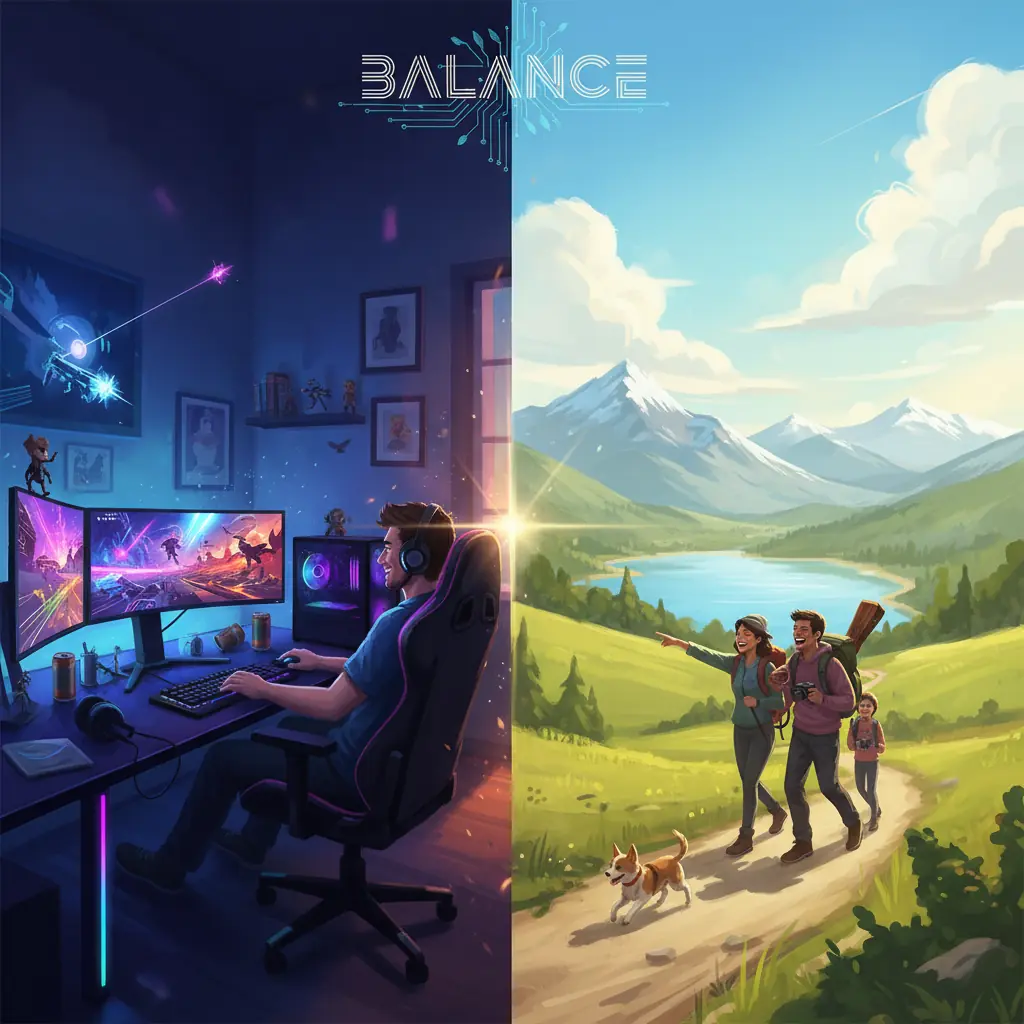
Like many, I’ve experienced the vortex of an engaging game, where hours melt away unnoticed, and suddenly, dawn is breaking. Balancing that thrill with real-world responsibilities can feel like navigating a minefield. It’s a challenge familiar to countless gamers, and one I’ve personally grappled with throughout my journey in the gaming world.
Responsible gaming isn’t about stifling your passion; it’s about fueling it in a sustainable way. By adopting healthy gaming habits, like effective session management and understanding your limits, you can unlock a deeper level of enjoyment. It’s about improving focus, strengthening relationships, and minimizing stress – all while maximizing your time in the virtual world.
As an expert gamer, I’ve seen firsthand the positive impact of a balanced approach to gaming. I’m here to share practical strategies and insights that will empower you to take control of your gaming habits, ensuring that your passion remains a source of joy and enrichment, not a cause for concern. Let’s embark on a journey towards healthy gaming habits, where enjoyment and well-being go hand in hand.
Recognizing the Importance of Responsible Gaming
Responsible gaming is crucial because, while offering entertainment and cognitive benefits, excessive gaming can lead to serious pitfalls. Neglecting responsibilities to spend countless hours gaming can strain relationships with family and friends, leading to isolation and conflict. Academic performance can suffer as study time is replaced with gaming sessions, potentially jeopardizing future opportunities. Furthermore, health issues like eye strain, carpal tunnel syndrome, and sleep deprivation can arise from prolonged screen time and lack of physical activity. Some studies have even linked excessive gaming to increased anxiety and depression.
Responsible gaming isn’t about eliminating gaming entirely; it’s about enjoying it in moderation and maintaining a healthy balance with other aspects of life. It’s about setting time limits, prioritizing responsibilities, and recognizing when gaming is negatively impacting well-being. By practicing responsible gaming, individuals can reap the rewards of gaming without succumbing to its potential negative impacts, ensuring it remains a fun and enriching activity.
Addressing Common Misconceptions
Gaming is often unfairly labeled as a complete waste of time or a pursuit reserved for antisocial individuals. I used to believe this myself, thinking that hours spent in virtual worlds could be better spent on ‘productive’ activities. However, this perception is a gross oversimplification. Many games require strategic thinking, problem-solving skills, and teamwork. Online multiplayer games can foster social connections and build communication skills. The key lies in approaching gaming with a balanced perspective, recognizing its potential benefits while avoiding excessive engagement that detracts from other important aspects of life. Responsible gaming is about enjoying the experience without letting it dominate your existence.
Understanding Your Gaming Habits
Let’s face it, sometimes gaming can feel like a runaway train. To get back on track, it’s crucial to understand your current gaming habits. This isn’t about judgment; it’s about honest self-assessment. Think of it as gathering intel before launching a strategic plan.
Start by tracking your gaming time. You can use a dedicated app, or simply create a log in a notebook or spreadsheet. Note the time of day you play, the games you choose, and how long you game, and with whom. Are there specific times when you’re more likely to game for extended periods? Maybe after work to de-stress or late at night when everyone else is asleep?
Beyond time, pay attention to your gaming patterns too. Do you tend to binge on particular types of games? Are there specific games that seem to suck you in more than others? For me, it was always those open-world RPGs – the kind where you could spend hours just wandering around, completing side quests, and completely losing track of time. Identifying these “trigger games” is a key step. Reflect on your emotional state while gaming. Are you feeling happy, excited, challenged, or perhaps stressed and anxious? Recognizing these emotions will help you understanding the underlying reasons WHY you choose to game. This self-assessment gives you a clearer picture of your gaming habits for you to take control and refine certain parameters.
Setting Realistic Goals
Once you have a good understanding of your current gaming habits, it’s time to set some realistic goals. This is where the SMART framework comes in handy: Specific, Measurable, Achievable, Relevant, and Time-bound.
Instead of saying “I’m going to play less,” try something like “I will limit my gaming to two hours per day during the week, or I’ll finish that one game by the end of the month.” Make sure your goals are achievable. Don’t try to cut back drastically overnight. Start with small, manageable changes. Ensure that your goals are relevant to your overall well-being. For example, if you’re feeling stressed, your goal might be to replace some gaming time with exercise or relaxation techniques. Finally, set a time limit for yourself. This creates a sense of urgency and helps you stay on track. Achieving your gaming goals is great for confidence, motivating you to start refining other aspects of your routine.

Crafting a Personalized Gaming Schedule
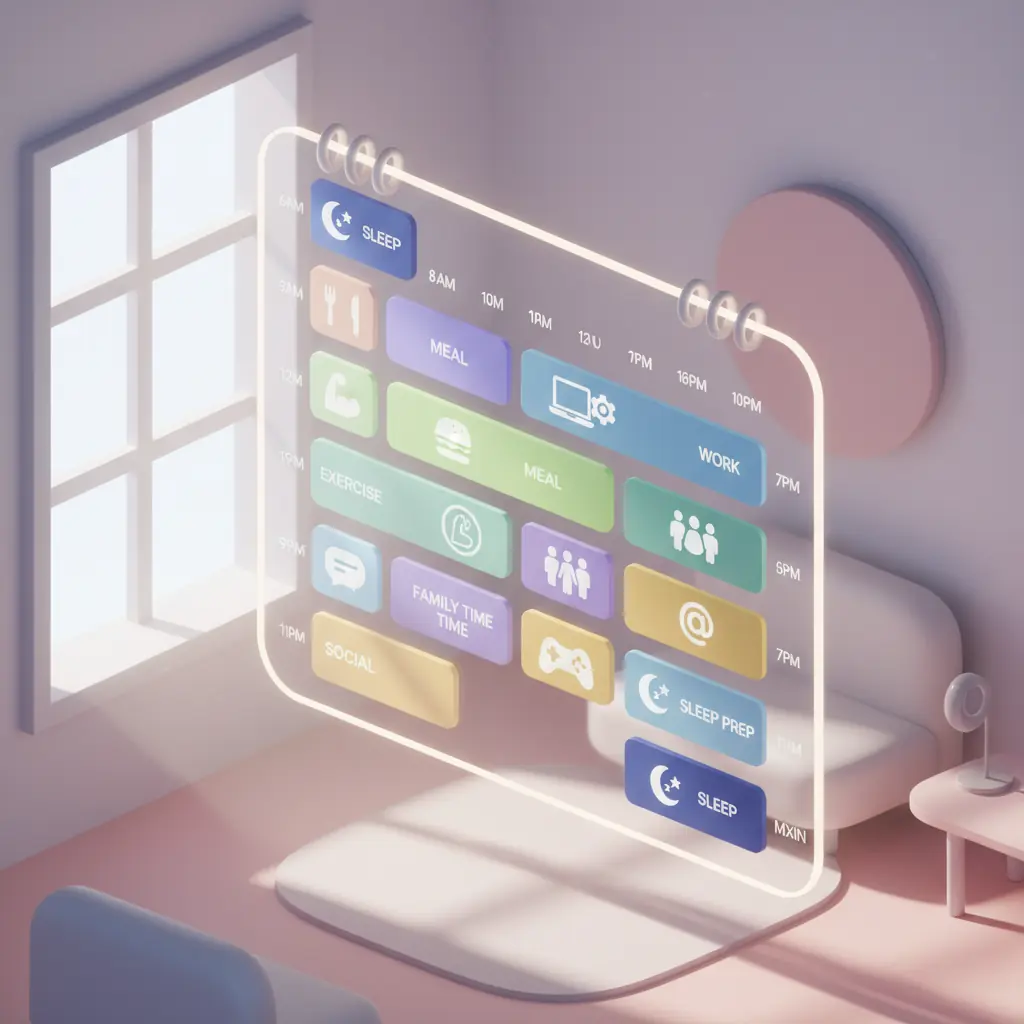
Creating a gaming schedule is like building your own personalized quest log for life. It’s about strategically allocating time to your favorite digital worlds without letting them consume your entire existence. The core principle is this: time blocking. Identify chunks of time in your day and assign them specific activities. Think of your calendar as a kingdom, and you’re the ruler deciding which activities get what land.
Prioritization is also key. What are your non-negotiables? Work, school, family time – these are likely your main quests. Fit gaming around these commitments, not the other way around. I once tried to cram a raid in before a critical work deadline. End result? A half-finished raid, a rushed report, and a very stressed-out me. The lesson learned: schedule strategically, and respect your priorities.
Here’s a simple step-by-step process:
- Assess Your Week: Use a calendar (digital or physical) to map out your existing commitments.
- Identify Free Time: Look for gaps where gaming can realistically fit.
- Allocate Time Blocks: Assign specific time slots for gaming, even if it’s just 30 minutes.
- Be Realistic: Don’t overschedule. Leave room for flexibility and spontaneous events.
- Review and Adjust: At the end of the week, evaluate your schedule and make adjustments.
For example, your schedule might look something like this:
- Monday-Friday: 6:00 PM – 7:00 PM: Dinner/Family Time, 7:00 PM – 9:00 PM: Gaming, 9:00 PM – 10:00 PM: Wind Down/Relax
- Saturday: 10:00 AM – 1:00 PM: Errands/Chores, 2:00 PM – 5:00 PM: Gaming Session
- Sunday: Free Day – Choose your own adventure!
Remember, this is just a template. Tailor it to your own lifestyle and preferences. According to headspace.org.au, finding a balance between gaming and other activities is crucial for maintaining good mental health. So, factor in time for socializing, hobbies, and relaxation.
Integrating Other Activities
Gaming is awesome, but it shouldn’t come at the expense of your social life or mental well-being. Think of your schedule as a pie chart, and gaming is just one slice. The others? Socializing, exercise, hobbies, and most importantly, rest. Schedule time for connecting with friends and family, even if it’s just a quick phone call or a hangout session. And don’t underestimate the power of a power nap.
Actively schedule “rest time” into your day. This could be a 20-minute power nap, a meditation session, or simply reading a book. These breaks can significantly improve your focus and energy levels, making your gaming sessions even more enjoyable. Remember, a well-rounded gamer is a happy gamer.
Mastering Techniques for Staying on Track
Adhering to a gaming schedule requires more than just setting timers; it’s about mastering time management techniques, cultivating positive habit formation, and exercising genuine impulse control. It’s easy to fall into the trap of “just one more game,” but recognizing this tendency is the first step toward reclaiming your time. Consider implementing gaming reminders – set alarms on your phone or use apps designed to limit screen time. Think of each controlled gaming session as a victory, reinforcing your ability to manage your time effectively.
One powerful tool is understanding the importance of digital detox periods. Just as athletes need rest days, gamers benefit from stepping away from screens entirely. This allows for mental refreshment and prevents burnout. Time management isn’t about restriction; it’s about balance. It’s about making conscious choices about how you spend your time and ensuring that gaming enhances your life rather than consuming it. The power of positive reinforcement cannot be overstated. Reward yourself for sticking to your schedule – not with more game time, but with activities that contribute to your overall well-being.
Breaks are Important
Stepping away from the screen, even for a short period, can have a dramatic impact on your gaming experience and overall well-being. The benefits of breaks are immense. Ever noticed how play is less enjoyable when you’re exhausted? That’s a sign you need to incorporate more rest into your routine. Short power naps can be incredibly effective in boosting alertness and concentration. Resting time isn’t wasted time; it’s an investment in your ability to play better and enjoy the game more fully. Get up, stretch, hydrate, and give your eyes a rest.
Cultivating a Balanced Lifestyle
Life extends far beyond the digital realm. While gaming can be an engaging and rewarding activity, cultivating a balanced lifestyle is crucial for overall well-being. Neglecting hobbies and social connections outside of gaming can lead to burnout and a diminished sense of self.
Explore existing hobbies or consider diving into new interests. Whether it’s painting, playing a musical instrument, writing, or learning a new language, engaging in activities that stimulate creativity and provide a sense of accomplishment can significantly improve your mood and reduce stress.
Nurturing social connections is equally important. Spending time with friends and family, participating in community events, or joining a club can combat feelings of isolation and foster a sense of belonging. Human interaction is a fundamental need, and strong social bonds contribute to a happier and healthier life.
Maintaining physical activity is also an important aspect of a balanced lifestyle. Regular exercise has numerous benefits, including improved mood, increased energy levels, and reduced risk of chronic diseases. Even simple activities like walking, jogging, or stretching can make a big difference.
Consider incorporating mindfulness practices into your daily routine. Even mindful gaming is possible. Find a quiet space, focus on your breath, and observe your thoughts and feelings without judgment. This simple practice can help you become more aware of your emotions and manage stress more effectively.
Ultimately, cultivating a balanced lifestyle is about being content with yourself. It’s about accepting your strengths and weaknesses, and finding joy in the present moment. When you prioritize your well-being and engage in activities that nourish your mind, body, and soul, you’ll be better equipped to handle the challenges of life and enjoy a more fulfilling existence, both in and out of the game.
Addressing Challenges and Setbacks
Navigating the world of responsible gaming isn’t always a smooth ride. You’re bound to encounter gaming challenges and gaming setbacks along the way. Unexpected events can throw off your carefully planned schedule, and feelings of guilt might creep in when you exceed your self-imposed limits. The key is not to get discouraged but to equip yourself with strategies for effective emotional regulation and relapse prevention.
One common challenge is managing your time when others demand it. Life happens, and sometimes those demands can feel overwhelming, pulling you away from your gaming goals. It’s okay to adjust your playtime when necessary. The flexibility is important. Don’t be afraid to say “no” or negotiate a different time. Prioritizing self-care, including your gaming hobby in moderation, is essential for your well-being.
Self-compassion is crucial. If you experience a setback, don’t beat yourself up. Acknowledge your feelings, learn from the experience, and reaffirm your commitment to responsible gaming. Like any skill, emotional regulation takes practice. There will be ups and downs but with patience and persistence, you can develop a healthy relationship with gaming that enhances your life rather than detracts from it.
Conclusion
In conclusion, navigating the world of video games should be a joyous adventure, not a demanding task. The key is to imbibe responsible gaming habits, understanding that moderation and self-awareness are your most powerful tools. Embrace planning your gaming sessions, set realistic time limits, and actively pursue a balanced lifestyle that includes hobbies, social interactions, and physical activity.
The future of gaming is bright, with innovations promising even more immersive and engaging experiences. By implementing the expert advice discussed, you can confidently step into this future, ensuring that gaming enhances your life rather than detracts from it. Remember, gaming is a marathon, not a sprint.
We encourage you to share your own experiences with responsible gaming in the comments below. Do you have any tips or tricks that have helped you maintain a healthy balance? Or perhaps you have questions or concerns about managing your gaming habits? Let’s create a supportive community where we can all learn and grow together. Happy gaming!