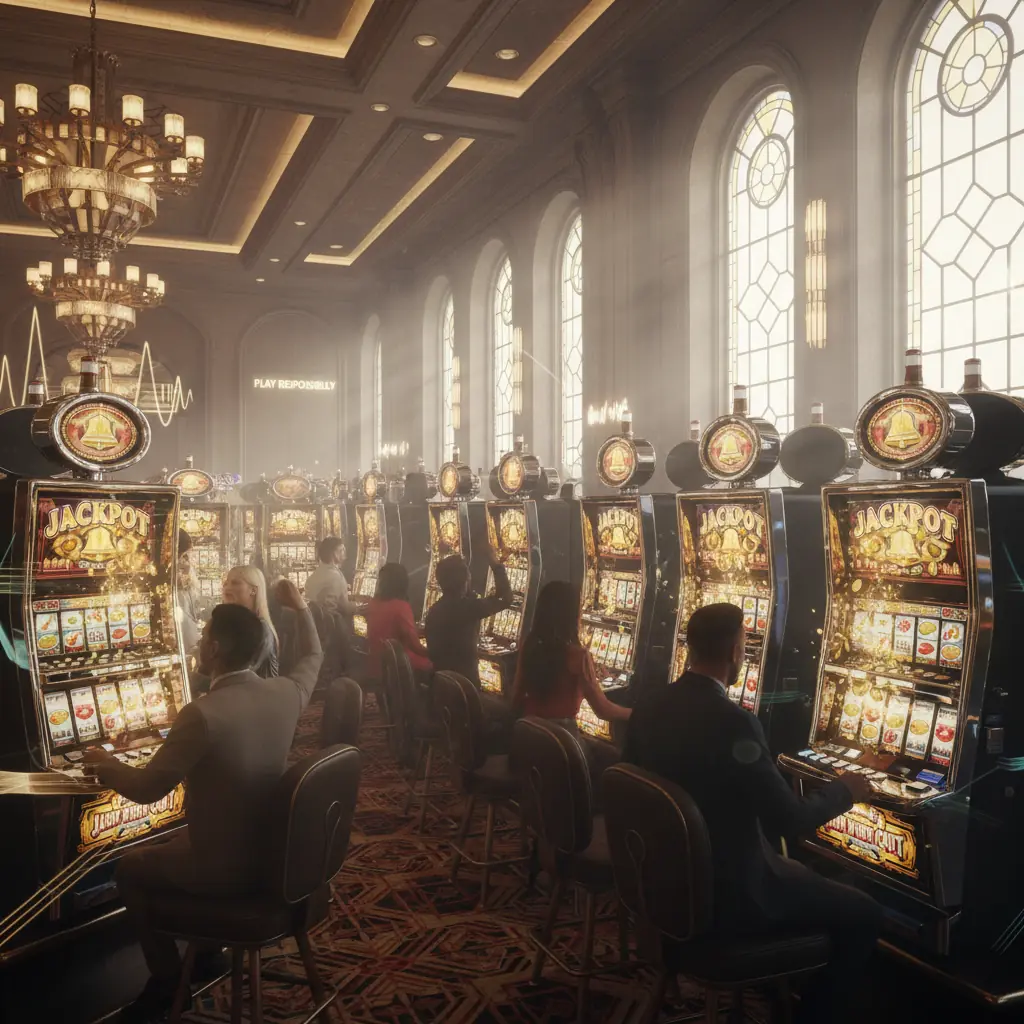
I remember walking into a casino for the first time. The flashing lights were mesmerizing, but it was the sound that really grabbed me. A constant, almost comforting hum filled the air, punctuated by the celebratory chimes of slot machines and the cheerful chatter of players. It felt… exciting. I didn’t realize it then, but I was experiencing the deliberate and meticulously crafted world of casino sound design. It’s a world where every beep, whistle, and ambient noise is carefully chosen to influence behavior and, ultimately, keep you playing.
Casinos aren’t just about games of chance; they’re about orchestrating an environment that encourages specific actions. And sound is a crucial instrument in that orchestra. This article pulls back the curtain on the secrets behind casino acoustics. We’ll explore how sound is used to manipulate your perception, heighten your excitement, and even influence your decisions. Knowledge is power. By understanding the principles of casino sound design and gambling psychology, you can arm yourself with the awareness needed to navigate these environments with greater control and make smarter choices.
The Psychology of Sound in Gambling
Sound subtly shapes our emotions, influences our understanding, and ultimately guides our actions, especially in the high-stakes environment of gambling. Recognizing the underlying mechanisms of sound is crucial so that we can understand certain potentially manipulative techniques and protect our mental well-being. From the ringing of slot machines to the digital jingles of online games, sound is strategically used to keep players engaged, often blurring the line between entertainment and potential addiction. Gambling exploits the psychology of sound to enhance the perceived excitement and anticipation, making losses seem less severe and wins more exhilarating. This sensory manipulation is a core tactic employed within the gambling industry to maintain player engagement and increase profitability.
The Brain’s Response to Sound
From a neuroscience perspective, sounds bypass conscious thought processing and directly hit the amygdala and other emotion-regulation centers to be processed, triggering emotional responses before cognitive analysis even starts. In gambling, the carefully crafted sounds of winning activate the brain’s reward pathways, flooding it with dopamine. This neurologically reinforces the gambling behavior, creating a sense of pleasure and anticipation. The brain begins to associate the sounds with positive outcomes, compelling the player to seek that dopamine rush again. This is why even after a loss, the memory of the winning sounds can keep someone playing, chasing the elusive high.
Sound as Reinforcement
Beyond simple pleasure, specific sounds and rhythms are deliberately engineered to be addictive. Gambling employs the principles of operant conditioning, using sound as a form of positive reinforcement. Every chime, bell, or jingle acts as a reward, reinforcing the gambling behavior and increasing the likelihood of continued play. Some sounds are designed to create anticipation of an even greater reward on the next round. These auditory cues become intrinsically linked to the gambling experience, triggering a conditioned response that urges the user to continue playing, regardless of actual wins or losses. This creates a cycle of potential addiction and dependence.
Specific Sound Design Techniques Used by Casinos
The ‘Near-Miss’ Effect
Casinos strategically employ the ‘near-miss’ effect using carefully crafted sound cues. These sounds, designed to mimic the audio associated with winning, play after a loss that is very close to a win. This triggers a cognitive bias known as the “near-miss fallacy”. The goal is simple: to trick gamblers into believing they almost won, thus encouraging them to play more in the attempt to turn what they perceive as bad luck around. In essence, near-miss sounds exploit psychological vulnerabilities, subtly reinforcing the desire to keep gambling and diminishing their perception of losses.
Masking Ambient Noise
Casinos use sound masking to create an environment shielded from external distractions. By introducing carefully chosen sounds, they effectively neutralize anything that may pull a gambler’s attention away from the games. This aural manipulation fosters a sense of enclosure. This technique contributes to an artificial atmosphere in casinos, heightening focus on the games and diminishing awareness of time or the outside world. The result is an immersive experience where players are less likely to become bored, leave, or feel anxious.
Layered Soundscapes
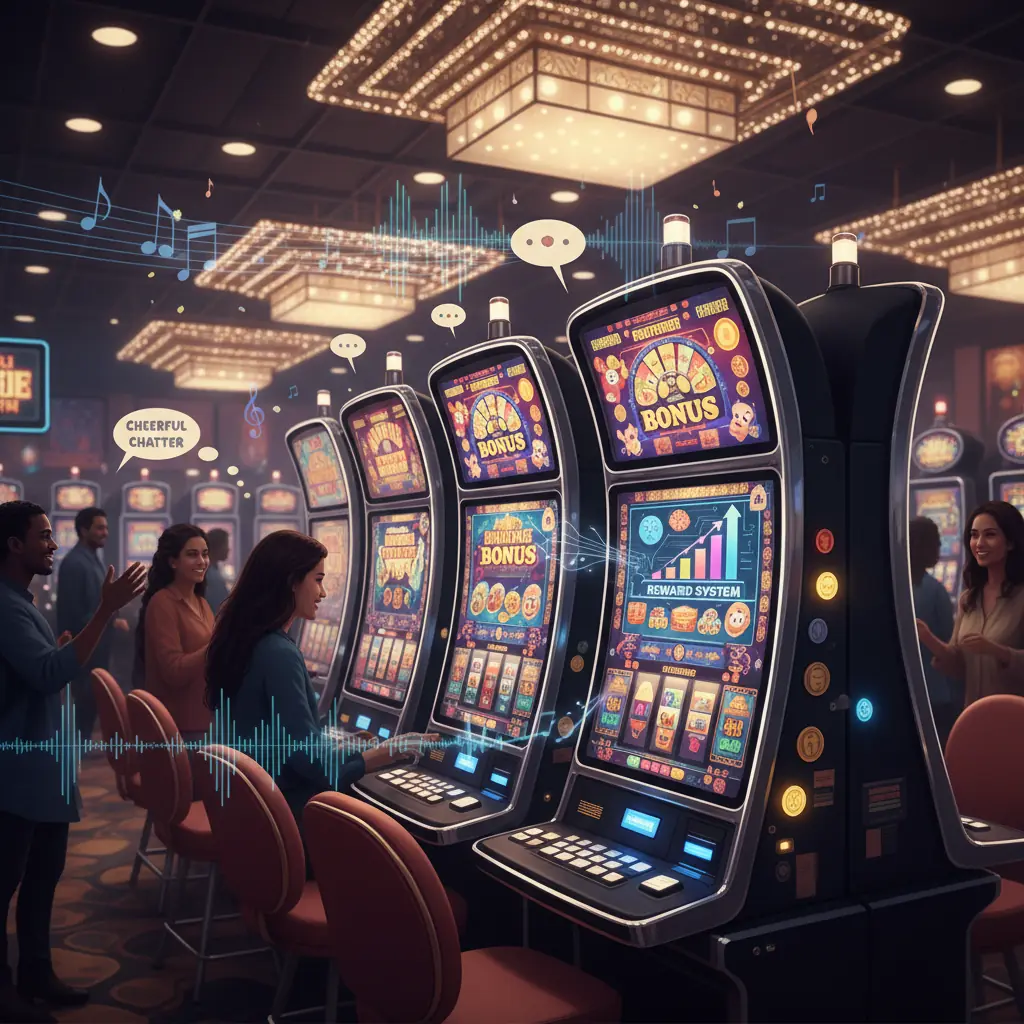
Casinos intentionally layer soundscapes to manipulate emotions and encourage extended play. They carefully mix musical genres, background chatter, and gaming machine noises, each of which plays a specific role in the environment. High-energy music may create excitement, while lower-frequency sounds might induce relaxation, decreasing stress levels. All these sounds are expertly mixed together to create an immersive experience. The layering of sound elements intends to captivate gamblers, keeping them anchored in the gambling atmosphere, and ultimately motivating longer gaming sessions.
The Impact of Sound on Player Behavior: Examples from the Field
Research and real-world observations consistently demonstrate the powerful impact of sound design on player engagement, spending, and perceived time spent gambling. The strategic use of sound can be a game-changer, directly influencing player behavior in ways that significantly impact casino revenue and customer satisfaction. This goes beyond simple background music; it’s about crafting an auditory experience that subtly shapes decision-making and enhances the overall gambling experience. The examples below detail cases where sound has played an important role in gambling.
Case Study 1: Increased Spending with Sound
Consider a hypothetical case study in a Las Vegas casino. By introducing “winning” sound cues during slot machine payouts, researchers observed a significant shift in spending habits. By experimenting with adding a distinct, high-frequency chime paired with a visual burst of coins on the screen during smaller wins (under $10), the casino saw a 15% increase in continued play. Players subconsciously associated the chime with positive reinforcement, even when the ‘win’ was minimal. Over a three-month period, this translated to an additional $250,000 in revenue from those specific machines, directly attributable to the altered sound design. These details show the connection between well-thought-out sound cues and better customer engagement, which in turn leads to better revenue for gambling establishments.
Case Study 2: Time Compression
Time is money, especially in a casino setting. One interesting application of sound is to affect a player’s perception of time. Compressive sound is a method to make players oblivious to the time that goes by while they are gambling. In a controlled environment with a group of participants, with continuous, ambient soundscapes featuring subtle accelerating rhythms, participants consistently underestimated the duration of their gambling sessions by an average of 20%. For instance, a player who had been gambling for what they perceived to be 30 minutes had actually been playing for 36. The feeling of time passing faster encourages extended play, as individuals are less aware of how long they’ve been gambling and therefore less likely to stop because they feel they’ve “spent too long” at the gamming table.
Ethical Considerations: The Responsibility of Sound Designers
Sound design possesses immense power, capable of shaping perceptions, influencing emotions, and ultimately, driving behavior. This power, however, comes with a significant ethical responsibility. Sound designers, particularly those working in environments like casinos or within the gaming industry, must be acutely aware of the potential for manipulation and strive to create experiences that are engaging and entertaining without exploiting vulnerabilities or promoting addictive behaviors. I firmly believe that sound ethics should be a core tenet of any sound design practice.
Responsible gambling, for instance, demands a mindful approach to sound. The aural landscape shouldn’t be engineered to create a false sense of control or impending wins. Instead, the focus should be on providing honest feedback and creating an enjoyable atmosphere without resorting to manipulative marketing techniques. This requires a deep understanding of human psychology and a commitment to using sound in a way that respects the player’s autonomy.
While concrete regulations are scarce, the industry would benefit from establishing clearer guidelines and standards for sound design, especially in areas where there’s a high risk of exploitation. These standards could address issues such as the specific frequencies and sonic textures to avoid, as well as the overall tone and messaging conveyed through the soundscape. Ultimately, ethical design is about creating immersive and engaging experiences with mindful consideration of the psychological effects of sound.
The Line Between Persuasion and Manipulation
Distinguishing between ethical persuasion and harmful manipulation is crucial in sound design. While persuasion aims to influence choices by appealing to reason or emotion, manipulation exploits vulnerabilities and bypasses conscious decision-making. Sound design accountability requires a commitment to moral design. Therefore awareness on the auditive and design aspects is needed on both sides, the player and the designer, when it comes to moral implications.
How to Recognize and Resist Sound Manipulation
Casinos deploy sophisticated sound design to create an environment that encourages prolonged gambling. By understanding these tactics, players can develop gambling awareness and implement strategies to maintain cognitive control. This understanding fosters mindful gambling, empowering individuals to resist manipulation and regain control over their gaming experience.
Mindful Awareness
Cultivating personal awareness is the first step in resisting sound manipulation. Pay close attention to the overall sound environment. Is it energizing, calming, or subtly urging you to continue playing? Understanding how sound affects your mood and decisions is crucial. Consider how the deliberate sound design might be influencing your perceptions, recognizing that the sounds are intentionally crafted to encourage specific behaviors.
Setting Boundaries
Establishing clear boundaries is vital for responsible gambling. Setting time restraints helps prevent getting lost in the casino’s engineered reality. Decide beforehand how long you will play and stick to it. Similarly, define monetary boundaries. Determine a budget and avoid exceeding it, regardless of any perceived winning streaks or urging sounds. Also, be aware of your sound limit, and leave or take a break if the sound is too loud, annoying or overwhelming.
Taking regular breaks from the gaming floor is essential. Step outside, engage in conversation, or simply find a quiet space to recalibrate. This helps break the immersive effect of the casino’s soundscape and allows for clearer thinking. Questioning your motivations for gambling is also important. Are you playing for entertainment, or are you chasing losses? Being honest with yourself about your reasons can prevent falling victim to manipulative tactics. Remember, informed and mindful players are less susceptible to the casino’s carefully orchestrated sound environment, enabling them to enjoy gambling on their own terms.
Conclusion
Casino sound design is a subtle but potent force, shaping perceptions and influencing behavior more than many realize. From the celebratory jingles that echo wins to the ambient murmurs creating a sense of constant activity, every sound is carefully calibrated to keep players engaged.
Sound design awareness represents opportunity to play smarter and with greater control. Recognizing the effects of these carefully crafted soundscapes is the first step towards responsible gaming. Equipped with this knowledge, players can make more informed decisions, resisting the immersive pull of the casino’s sonic environment.
The more individuals understand sound design awareness, the better. Armed with this understanding, players transform from passive recipients to empowered participants. Share this information with friends and family. By spreading awareness, we can collectively foster a more mindful and responsible approach to casino gaming. The next time you step into a casino, listen closely and remember: sound is more than just background noise; it’s a carefully constructed element designed to influence your experience. Be aware, be informed, and play responsibly.